Charter School Creates Art Studio to House Abrakadoodle Art Program

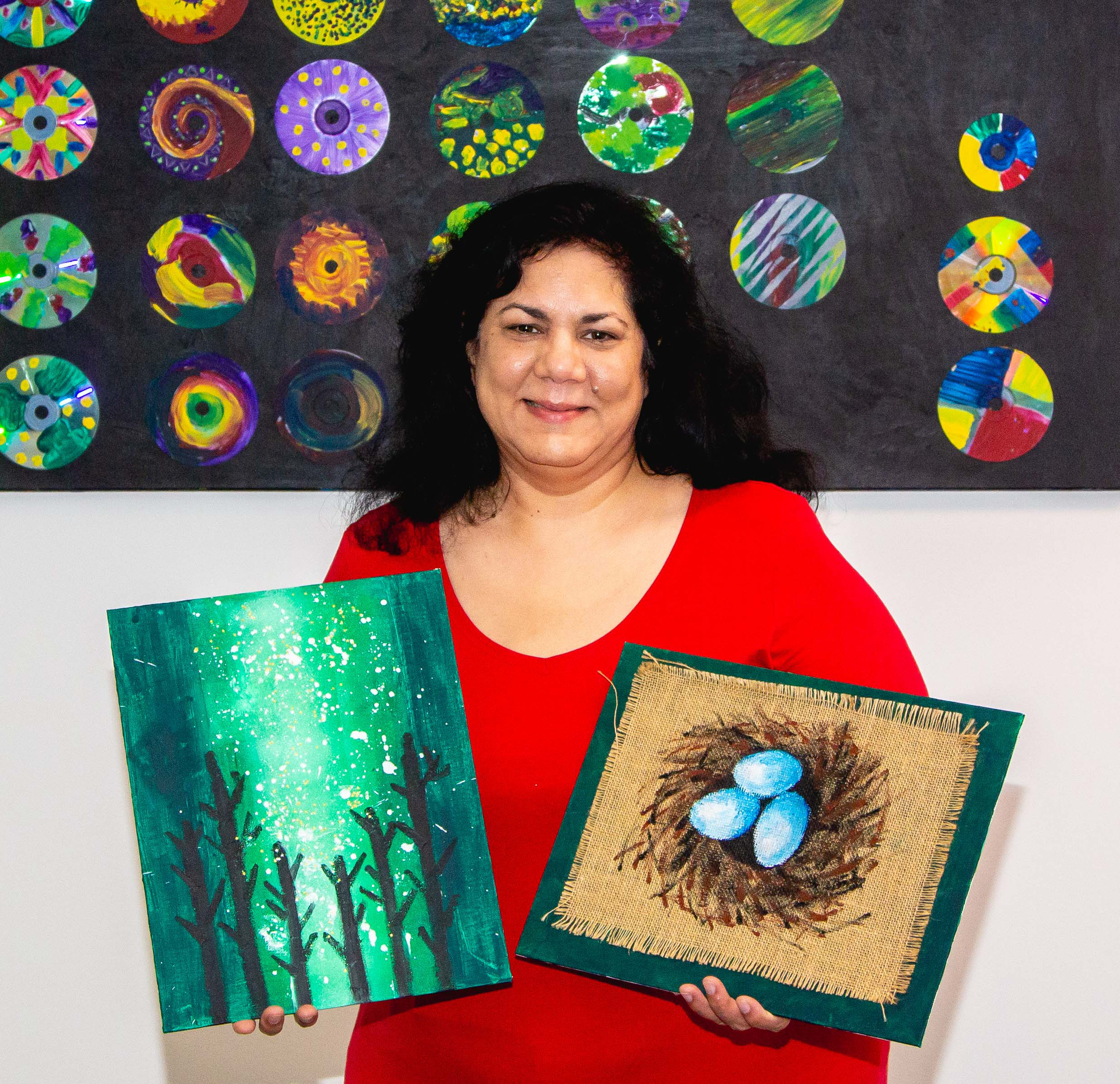
Abrakadoodle artists featured at the new art studio opening

Art is impactful and worthy of investment. This was a message that resonated during a ribbon-cutting ceremony at the Allen Academy in Detroit, which on Monday, January 14th formally opened a spacious, newly renovated space that will be devoted to Abrakadoodle’s art program. According to Dawna Kelly, Director of Abrakadoodle-Wayne County, “We are honored by the Allen Academy’s commitment to the visual arts. They have been one of our customers (more like family members) for the past five years, and we have been providing our art program for students through grade six in a very small space with no water supply.” The new art studio features 24 workstations, two sinks and a space for a kiln to be purchased later this year.

During the formal dedication ceremony, Allen Academy school leader Monique Woodland Phillips was joined by several board members to include Barbara Barrett, Regional Vice President of the charter management group. Isaiah Pettway provided remarks regarding the importance of the fine arts, and Trena Braswell offered comments recognizing the student artwork on display at the event.

The Allen Academy is situated in a former Catholic school, and the art studio space was the former rectory. A priest who lived and worked at the rectory returned to share a heartfelt message about the importance of art education for our society. He talked about a recent visit to a nursing home in which seniors with various levels of impairment would still tap their feet when they heard music or smile at the sight of children’s artwork.

Animals in Art: Kids Love Them

The Cave of Altamira in Spain is famous for its Paleolithic cave paintings.

Kids love animals, and so it only stands to reason that they also appreciate viewing and creating their own animals in art. Throughout history, artists have always created drawings, paintings and sculptures of animals. Cave art reveals ancient paintings that date back tens of thousands of years in which animals are portrayed. Ancient Egyptian artists often depicted gods with the heads of animals. Tribal art generally features a combination of animal and human characteristics that seem to symbolize man’s bond with his natural environment. Mythical beasts of the Middle Ages decorated medieval manuscripts with creatures that sometimes took on secret symbolic associations. Art of the 17th Century featured hunting scenes with dramatic life and death struggles, while 18th Century artists celebrated the natural beauty and majesty of animals in their natural habitats. Victorian artists of the 19th Century painted sentimental pieces of their domestic pets and livestock, while artists in the 20th Century explored a wide range of animal genres and invented some, as well. As we get underway with the 21st Century, we see wonderfully diverse animal artisans.

"Northern Monarch" by Solberg is a great example of his breathtaking watercolor originals.

Abrakadoodle features a number of talented contemporary and classic artists who inspire students with their animal creations. Mort Solberg is a wildlife painter and an Abrakadoodle Artist of Distinction. Children love to create art in his style that  incorporates the use of a large paint brush to create art that combines realism with abstract images. Mort brings his love of nature and the outdoors into his award-winning art, and he wants to foster that appreciation in children.

"Zara the Zebra" by Sophie Harding.

Contemporary artist Sophie Harding enchants kids everywhere with her adorable animal creations fashioned in a Naïve Art style that feature simple shapes and vivid colors. Born in England, Sophie received a diploma in General Art and Design, followed by a bachelor’s degree in Fashion and Textiles at Central St. Martins. Her training has motivated her to use many different types of artistic media in her work. In addition to Naïve Art and fine art prints, Sophie is a successful illustrator of children’s books and magazines, greeting cards, gift wrap, calendars, tableware and textile designs.

Robin Anne Cooper created canvas collage originals featuring Abrakadoodle’s arty dog Splat.

Upon discovering the unique works of Robin Anne Cooper of South Carolina just a couple of years ago, Abrakadoodle commissioned her work for holiday gifts. Robin created 52 unique canvas collages featuring Abrakadoodle’s arty dog mascot Splat. Robin uses a unique style of canvas collage in which she paints, cuts up and then produces a new piece featuring such whimsical subjects as cats and dogs. Robin Anne Cooper believes in creating original, affordable art. “Kids so often associate art with well known artists of the past like Picasso and Rembrandt,” commented Abrakadoodle’s co-founder and CEO Mary Rogers, adding, “Abrakadoodle features these classic artists, as well as some of today’s working artists like Robin Anne Cooper, who create amazing artwork that inspires kids to be creative and to see how real people incorporate art into their lives and their work.”

Three Creative, Hands-On, Low Tech Activities for Kids

As a parent, I’ve observed the powerful hold that tech toys, video games and cell phones have on children. I’m a big believer in balance, and so I have developed a list of low tech ideas that will engage your child in fun, inspired play. These types of activities give your children the power of imagination, which is wonderfully rewarding!

1. Create arty fruits and veggies~ who says eating healthy has to be boring? Your child can make edible art, offering creative fun that is also tasty! Consider making a butterfly.

Edible art is creative, fun and a healthy treat!

Provide slices of apple in a bowl; gather some baby carrots (look for long and thin pieces) provide some blackberries or another favorite berry, and finally, cut up a bowl of thinly sliced, short celery sticks. You might wish to offer some embellishments, such as dried cherries (shown) that can decorate the apple wings. Arrange the edible insect using the photo as a guide.


2. Sculpt a pinch pot~ this is an activity for all ages, and it’s easy to make! In fact, this is a great activity for your children because it helps to develop fine motor skills and muscles in the hand. All you need is some air-drying clay, such as Model Magic. A pinch pot is

Colorful pinch pots are easy to make and offer lots of clever uses!

small, and so you do not need a large amount of clay. Your child can choose to make a little pot in any color, and when it’s done, your child will enjoy adding artful design to his/her creation. Get started by rolling a palm-full of clay into a ball. Once the ball is nicely shaped, cradle the clay ball into your palm and press your thumb into the center. Note that some modeling clay will require more effort to shape. Once the initial dent in the center is made, then you gently squeeze thumb along with index and middle fingers, working the inside and outside as you expand the center. As you press and smooth in a circle, you will soon see the small pot as it takes shape. Make sure the wall of the pot is not too thin. Finally, you can simply draw a pencil design on the interior and/or exterior, or you can paint it in any color you like!


Creative storyboard by Nicole, age 12

3. Sketch a storyboard ~ Kids love to use their imaginations, and they all have stories to tell. A storyboard is a way to outline ideas using mostly images. Whether your child imagines a new video game concept, a children’s picture book with favorite items or simply wants to tell a story using mostly images, this is an activity that promotes visual literacy, creativity and self-expression. Your child can use a large art pad and experiment with image-mapping. Alternately, your child may enjoy using plain note cards to shape pictures into an expressive piece. Provide your child with pencils, colored pencils, crayons and/or thin markers. Give your child lots of space to spread out and work. Start with conversation. “Tell me about your idea. How do you think you want to create your main image?” For a younger child, you may wish to suggest shapes that will help him/her get underway.

Holiday Decorating with Your Child’s Art

Holiday art by Gemma - age 10

Kids love to make art, and the holiday season is a great time to encourage your children to take part in arty expression! Find a workspace for your child and provide lots of fun supplies like paper, markers, colored pencils, paint and other age-appropriate creative embellishments, such as glitter, stamp sets, pom-pom’s and more. To set an imaginative holiday tone, you might wish to play some seasonal favorite music or read a favorite holiday story to kick off the arty adventure.

Original art by Alicia – age 11

Your child’s art can be used in so many festive ways. Perhaps you might like to use a piece of art as a holiday greeting card template. Fridge art is a standard, or you can go high-tech by scanning the art and using it as a screensaver or a profile picture online. If you have the space, a corkboard set up may offer you a wonderful space to neatly arrange art throughout the year. Art makes great gifts, too! Encourage your kids to sign and date their work. We love kids art, so please feel free to share it with us on our Facebook page!

A FUN Way to Expand Your Child’s World Vision

Kids love to learn new ways to create art, inspired by cultural traditions, artists and art forms from the far reaches of the planet we share! That alone might serve as rationale for signing up for an arts program that brings the world into your child’s grasp. You can expand your child’s world vision in a FUN way, while providing tangible benefits!

Haida Mask

#1 – Multicultural art education contributes to an understanding of the social and cultural landscape that all individuals inhabit. Children learn about world cultures in the most fun way – hands on – as they discover artists and explore art forms and styles from countries near and far. They discover an historical perspective through art with such lessons as creating Haida Masks. Art connects children no matter what race, culture, education or socio-economic status.

Story Teller Dolls

#2 – By developing a sense of self through artistic creations, students take a step toward understanding and accepting differences in others.

#3 – Multicultural arts inspire children’s imaginations. The unique nature of art representative of world cultures is stimulating to children. When they are taking part in classes that encourage them to take new concepts and use their own imaginations to apply them, they engage in self-expression, problem-solving and critical thinking skills. Children learn how to take ideas and innovate!

#4 – Confidence and self-esteem soars! Providing children with access to the arts enriches their lives by empowering them with a healthy means for communicating feelings and ideas; broadening how they see the world, as well as developing new skills, vocabulary and history unique to the visual arts. Multicultural art builds confidence in kids!

#5 – Said simply, multicultural art is fun!

Portugese Tile

In Abrakadoodle’s multicultural programs, students discover such world renowned artists as Fernando Botero of Colombia, Xu Bin of China, Esther Mahlangu of South Africa and Frida Kahlo of Mexico, to name just several.

Beyond the traditional art forms of painting, drawing, sculpture and collage, children in Abrakadoodle classes also explore such multicultural art forms as Polish paper-cutting, Portugese tiles, traditional Native American dolls, Malaysian kite crafting, Japanese kimonos, fabric art from Nigeria and many more. These imaginative, artful experiences can give your child an inspiring and delightful world view!

Artful Storytelling

I was recently so flattered when our 7-year old goddaughter Ainsley visited and before leaving, drew herself into our family tree ~ carefully placing herself under our daughter Krissa. I was touched. She also came to love our two black pugs, Duke and Jester. She loved helping me to feed them and to take them on walks. She carefully drew two big hearts, colored them, cut them out, and then she asked if she could put them down toward the bottom of our refrigerator so that our pugs could enjoy them! Naturally, I agreed! I loved how Ainsley believed that our dogs could appreciate her artwork. Why not?! Ainsley used the sketchpad, which awaited her upon her arrival to our home, and made pictures of our pugs and other things that inspired her. Ainsley has since returned to the East Coast with her family, but her art remains and warms my heart.
Does your child have a story to tell through art? Absolutely! Encourage your child to tell his or her stories through art. What a wonderful way to chronicle a vacation, a visit with family and friends, a pet or so many of the activities that are extended and appreciated when pencil or crayon meets paper. Art feels good. Children gain confidence and enjoy a great sense of accomplishment when they create art based upon their own ideas, especially when their art is not criticized or judged. Instead, ask open-ended questions about what inspired their creation. Celebrate the act of creating art! Encourage artful storytelling and enjoy the imaginative, sometimes surprising art that results!

But My Kid is Not the Arty Type!

Overcoming your child’s resistance to try new activities
As parents, we may get some push-back from our kids when we sign them up for activities that do not seem to fit with their sense of what they can, should or want to do. Parents and kids alike are sometimes guilty of early typecasting, such as my kid is a sporty type, a techie, a bookworm, and so forth. One mom tackled her son’s reservations with great results.

A soccer, music and Star Wars fan, six-year old Luke Kohler was not too enthusiastic when he found out that his mom Jill enrolled him in Abrakadoodle art class. He did not see himself as the arty type. As his classes progressed, Luke was surprised to discover that he liked art. In class, he mastered new art techniques and learned about different artists, art forms and styles. Luke checked out art books from the school library and created art all the time.

“Luke’s story could be that of so many children – boys and girls alike,” commented Mary Rogers, MA.Ed and CEO of Abrakadoodle. “When parents give their children an opportunity to try new activities such as art, wonderful growth opportunities and possibilities for new and exciting interests emerge.”

During first grade, Luke’s world was turned upside down with a diagnosis of type one Juvenile Diabetes. While he was hospitalized at Johns Hopkins Hospital, Luke was approached about submitting artwork for the Jos. A. Banks “Miracle Tie” contest. His winning entry that year was entitled, “Santa Delivers.” A line of silk neckties inspired by Luke and several other pediatric patients was unveiled at the 12th annual “Tie into a Miracle” fashion show.

Fast forward and now Luke is 10 ½ and in fifth grade. He has discovered some new passions, such as ice hockey and playing electric guitar. Art empowered Luke, earned him recognition, helped him make a positive and lasting impact on his community and gave him great personal satisfaction then and now. What kind of opportunities might await your child?

Art for Kids

Creating Art in the Key of Rhythm & Fun

Art education can come to life when you engage a child’s senses during the creative process. Creativity is such an important part of every child’s development. You can inspire your child’s creativity by adding music and even movement. Art for kids can be made more magical when you combine art forms, such as tuning your child into some Japanese folk music while working with Chigirie (paper art) – for an activity go to: http://www.abrakadoodle.com/press/chigirie_0906.htm. It is a great way to give your child an appreciation for the arts and cultures while exploring them. Music can also help set the tone for a creative sketch. Your child may find that certain classical or jazz or contemporary soundtracks help activate his or her imagination. Encourage your child to show movement in an art creation – whether it be a modeling compound or swirling paint on paper – and then suggest that your child move or dance as a further expression of that creation.

Use art combined with music and movement next time your child wants to express his or her creativity. Ask your child what kind of music will help set the mood for making art. Play with creative movement by suggesting that your child demonstrate how a butterfly moves, and then set it to paper while listening to music reminiscent of spring and summer. Talk with your child about his or her feelings and the energy of his or her creation as this creative process continues, because emotions, beliefs and ideas are such a big part of art education. Your child will love it! Art for kids can come to life in beautiful ways by adding a few art supplies, music, movement and interactive encouragement with just a dash of guidance.