Swirling, Curling, Colorful: Post-Impressionism Extends Emotional Appeal in Art

How do you follow-up on the admired art form of Impressionism and the beloved works of such Impressionists as Monet and Renoir? Post-Impressionism emerged between 1886 and 1914, as artists strove to make their own mark in the visual arts. Post-Impressionists extended Impressionism by emphasizing geometric forms, distorting form for expressive effect, and by using color in random ways. Like Impressionists, Post-Impressionist artists continued using vivid colors, thick application of paint, as well as distinctive brush strokes and the use of real-life subject matter.

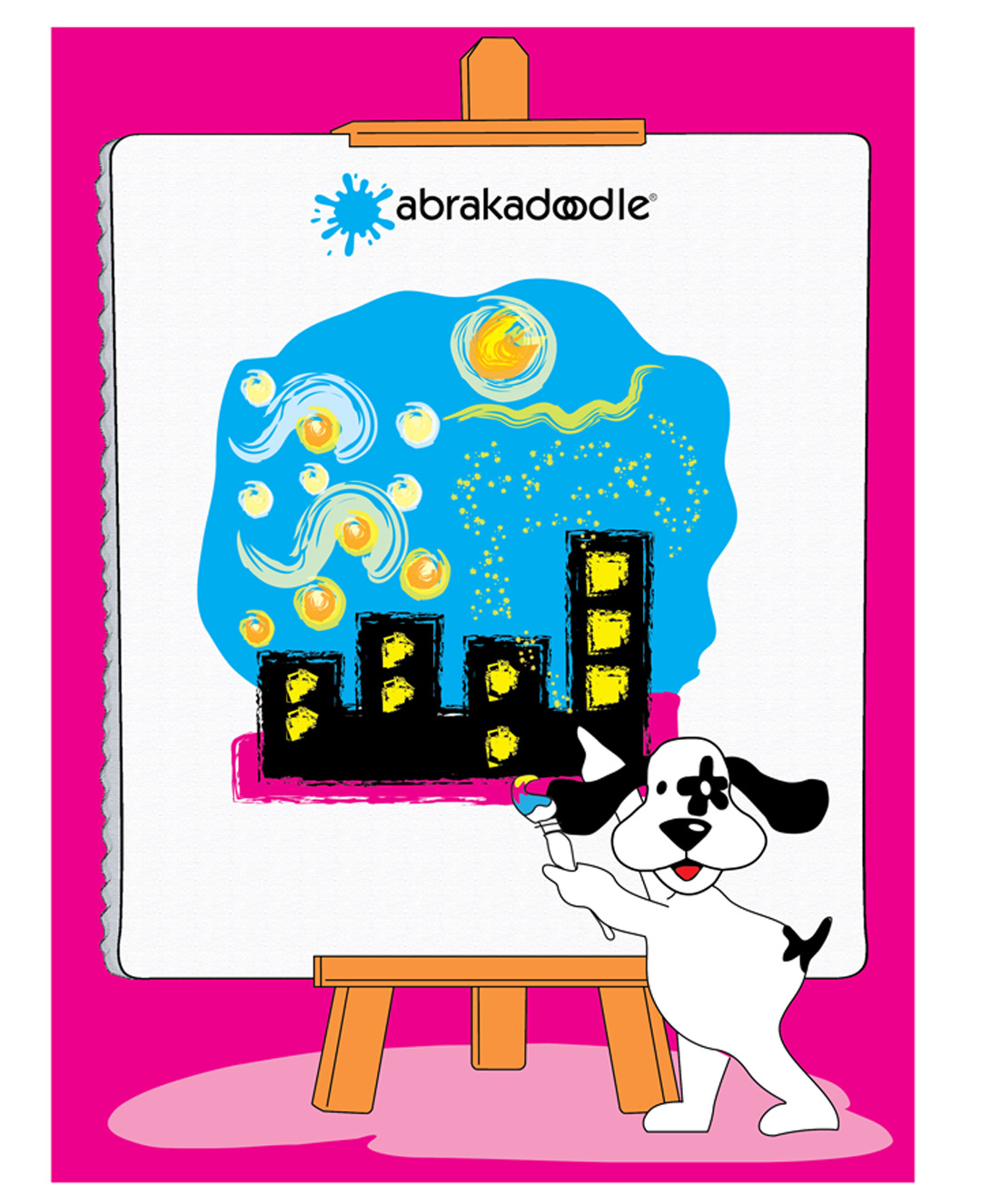
"The Starry Night" by Vincent Van Gogh

Post-Impressionist artists contributed to new ways to make art. Georges Seurat literally made his mark on this style by using tiny dots of color, which would come to be known as Pointillism. Vincent Van Gogh used extensive swirling, curling brushstrokes and vivid colors in his powerful art. Did you know that he created “The Starry Night” in June 1889 during his extended stay at a hospital? The hospital was formerly a monastery and featured beautiful grounds with fields, vineyards and olive trees that inspired Van Gogh during his hospitalization.

Kids love to learn about art and artists, and to apply this knowledge as they create original art in Abrakadoodle programs. Other well-known Post-Impressionists included Henri Rousseau, Paul Cezanne, Paul Gauguin and Henri de Toulouse-Lautrec.

Eye-Popping Fun with Pop Art

Warhol's art celebrates what's popular in our culture

Pop Art just sounds fun, doesn’t it? It brings to mind ideas that are fresh and burst off the page in colorful, clever ways. Pop Art originated in the 1950’s, and it is short for Popular Art, because it was inspired by widely recognized and admired objects, advertising, publications and people ranging from Campbell’s soup to Elvis Presley to comic strips and more.

Abrakadoodle teaches children about Pop Art in its art classes. Students learn about such American born Pop Artists as Andy Warhol and Roy Lichtenstein. Andy Warhol is an art icon in his own right, having achieved his goal to become famous. He was a pioneer in Pop Art in the United States, creating colorful art around everyday things in our lives such as Brillo Boxes, Campbell’s Soup, as well as high profile people like Marilyn Monroe and quirky imagery like cow wallpaper. Roy Lichtenstein was best known for his comic strip art and his hallmark style of using Ben-Day dots to create optical effect.

Art inspired by Roy Lichtenstein's Ben-Day dots

Encourage your children to try Pop Art at home! Talk about what’s popular in our culture right now. More importantly, what’s popular with your child? What with the buzz around improved nutrition and the importance of eating the rainbow, perhaps your child might like to create a favorite fruit or veggie that includes some playful Ben-Day dots. Simple shapes and bold colors will help make your children’s art POP!


Art for Kids

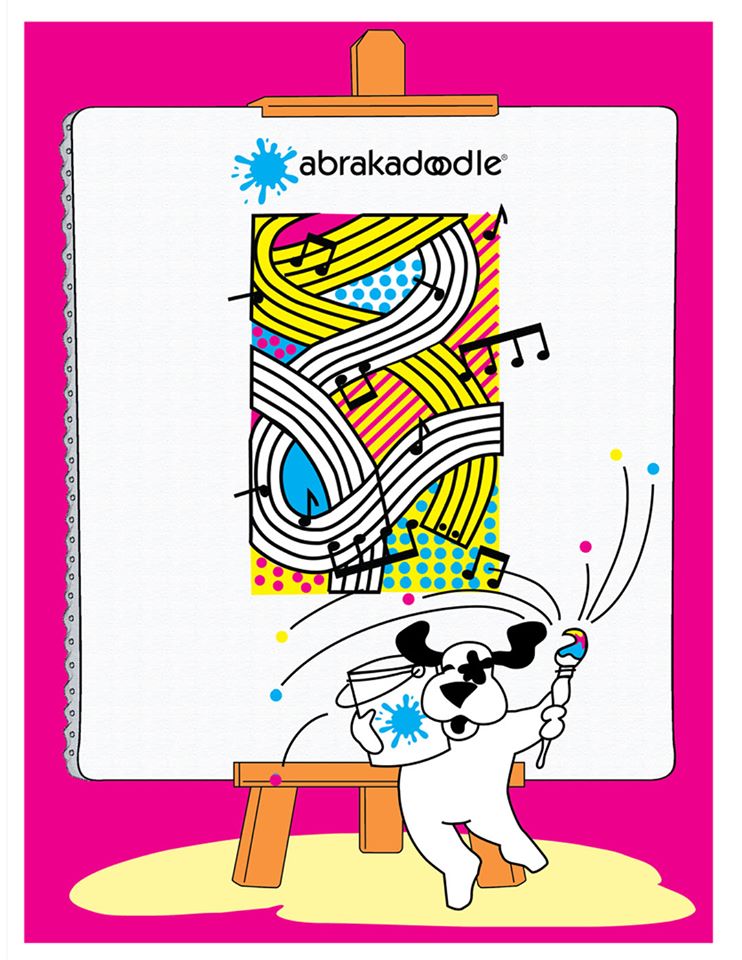
Creating Art in the Key of Rhythm & Fun

Art education can come to life when you engage a child’s senses during the creative process. Creativity is such an important part of every child’s development. You can inspire your child’s creativity by adding music and even movement. Art for kids can be made more magical when you combine art forms, such as tuning your child into some Japanese folk music while working with Chigirie (paper art) – for an activity go to: http://www.abrakadoodle.com/press/chigirie_0906.htm. It is a great way to give your child an appreciation for the arts and cultures while exploring them. Music can also help set the tone for a creative sketch. Your child may find that certain classical or jazz or contemporary soundtracks help activate his or her imagination. Encourage your child to show movement in an art creation – whether it be a modeling compound or swirling paint on paper – and then suggest that your child move or dance as a further expression of that creation.

Use art combined with music and movement next time your child wants to express his or her creativity. Ask your child what kind of music will help set the mood for making art. Play with creative movement by suggesting that your child demonstrate how a butterfly moves, and then set it to paper while listening to music reminiscent of spring and summer. Talk with your child about his or her feelings and the energy of his or her creation as this creative process continues, because emotions, beliefs and ideas are such a big part of art education. Your child will love it! Art for kids can come to life in beautiful ways by adding a few art supplies, music, movement and interactive encouragement with just a dash of guidance.

Creative Kids Need Art

The “Other IQ” can help ensure school success

Just two short years ago a new buzz started around the concept of the “Other IQ,” which stands for Imagination Quotient, as opposed to the familiar Intelligence Quotient. Results from a study conducted by Dr. Robert Sternberg of then Yale University revealed creativity was a very important factor in a student’s success in school and life. According to Dr. Sternberg, anyone can be creative, commenting, “It’s never too late to start developing a child’s creativity or even your own. Creativity is like exercise. If you make it a habit and regularly engage in creative activities that build the Other IQ, you’ll develop your creative muscles.”

How can the visual arts help children develop creativity?

Imagine children creating on canvas with bamboo brushes or working with fine sculpting material or designing a mosaic and learning the art of embossing. Exposure to a variety of art forms helps to challenge children to use their right brains as they problem-solve and apply diverse techniques. Art education can help children develop their imaginations; especially art classes that focus on Process Art (read more at www.abrakadoodle.com/process.htm). In no other venue can children actively express, explore, create, innovate and challenge without fear of rejection or negative judgment. Building creativity is so very important starting with toddlers and continuing throughout children’s lives. By the time children reach school age, the focus in education increasingly moves toward testing and conformity, which means that children get less opportunity to be creative. Today’s youth need to develop both intelligence and imagination– a strong pairing of competencies to serve them through life.

What’s your child’s imagination quotient?

Art Education for Kids

Nature is in the eye of the beholder

What if we never came to know Georgia O’Keefe, with her vividly enchanting, bigger-than-life nature paintings? The world would have missed out on her giant, colorful flowers and the emotion captured in her desert landscapes. Hers is a cautionary tale for those who over-direct, restrict or push children to imitate the ideas and art forms of others. Georgia O’Keefe is one of the most famous American female painters, and she revolutionized modern art. She had to overcome the need to satisfy someone else’s idea of how her art should look in order to fully develop her potential. Early in her career, O’Keefe became discouraged and decided to destroy her work because she felt that each piece was created to satisfy someone else’s ideals. Ultimately, Georgia’s own design sensibilities won out, and her paintings won the hearts of viewers everywhere.

Are your children passionate about nature? Encourage creative expression by sending your children outdoors with a large tablet, pencils, markers and/or paints (Crayola® has a whole line of “Outdoor” products!) and suggest that they explore nature in search of something special to them. Prompt them by asking, “What do you see that looks interesting to you?” Send them on a nature treasure hunt. Use that flower, tree, insect, animal or plant as an object of inspiration to create their unique works of art. Ask them how this living part of nature makes them feel and to use this feeling when they create their artwork. Perhaps they are attracted to the changing colors of the sunset and wish to paint a watercolor capturing the scene. You should remind them that they do not need to make their art in any particular size, shape or color. Let them react to their setting in a way that works best for them, and remember that the process is as important as the finished product!