Art Helps Kids Access the Sun, Moon, Stars

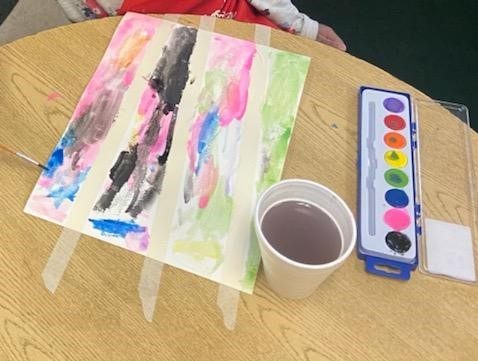
Original art by Nia, age 9 of Michigan

We all want to help our children reach for the stars and shoot for the moon! Art is such a wonderful way for kids to express themselves, while developing such important skills as creativity and problem-solving. Art – whether in creation or appreciation – entails learning to see, interpret and understand. Children can translate their internal vision or depict images based upon external sources of inspiration, both of which provide young artists with material to draw upon and feed into their art practice.

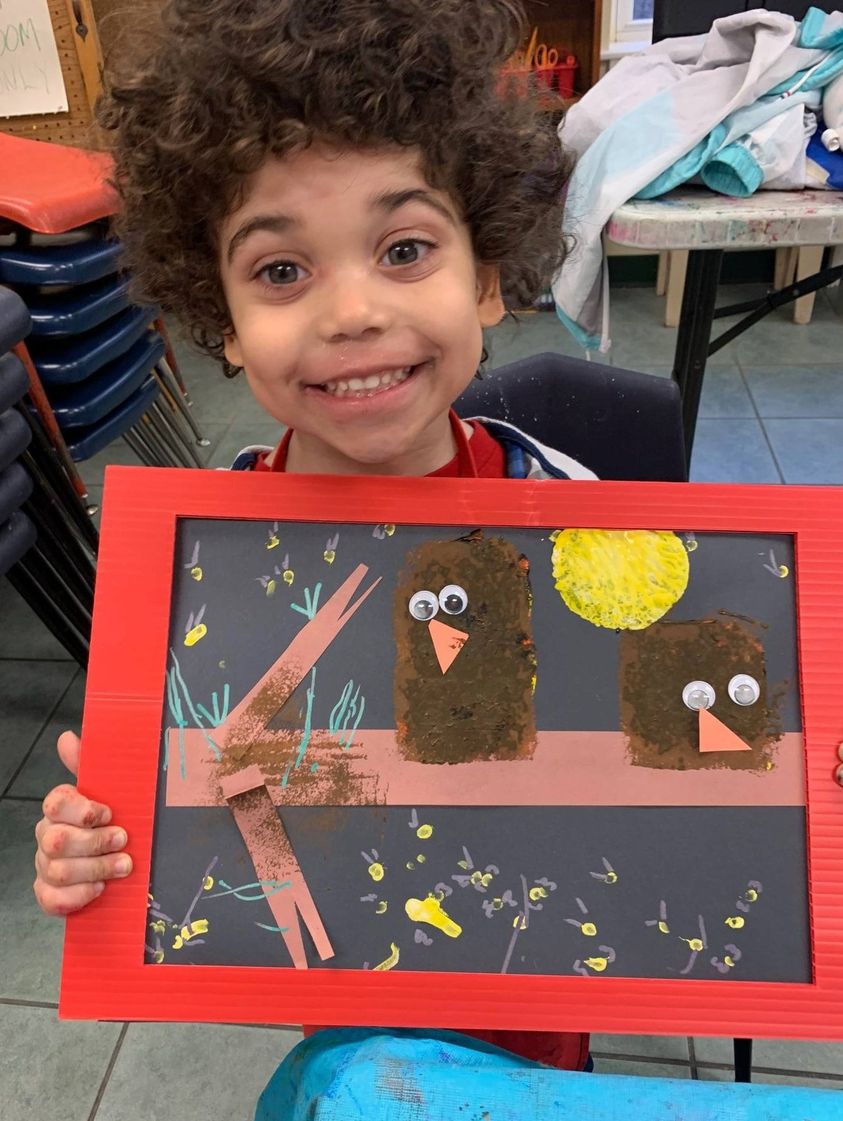
Original art by Shantrice, age 13 of Michigan who write of her art, “Darkness falls; light revolves”

Explore your child’s unique view! Provide your child with some basic supplies, such as blank paper, pencils, markers and crayons. Strike up a conversation about the stars, moon, planets, as well as our sun and sky. Connect with your child’s natural enthusiasm and clever ideas by encouraging him/her to create art that captures these unique imaginings.

A FUN Way to Expand Your Child’s World Vision

Kids love to learn new ways to create art, inspired by cultural traditions, artists and art forms from the far reaches of the planet we share! That alone might serve as rationale for signing up for an arts program that brings the world into your child’s grasp. You can expand your child’s world vision in a FUN way, while providing tangible benefits!

Haida Mask

#1 – Multicultural art education contributes to an understanding of the social and cultural landscape that all individuals inhabit. Children learn about world cultures in the most fun way – hands on – as they discover artists and explore art forms and styles from countries near and far. They discover an historical perspective through art with such lessons as creating Haida Masks. Art connects children no matter what race, culture, education or socio-economic status.

Story Teller Dolls

#2 – By developing a sense of self through artistic creations, students take a step toward understanding and accepting differences in others.

#3 – Multicultural arts inspire children’s imaginations. The unique nature of art representative of world cultures is stimulating to children. When they are taking part in classes that encourage them to take new concepts and use their own imaginations to apply them, they engage in self-expression, problem-solving and critical thinking skills. Children learn how to take ideas and innovate!

#4 – Confidence and self-esteem soars! Providing children with access to the arts enriches their lives by empowering them with a healthy means for communicating feelings and ideas; broadening how they see the world, as well as developing new skills, vocabulary and history unique to the visual arts. Multicultural art builds confidence in kids!

#5 – Said simply, multicultural art is fun!

Portugese Tile

In Abrakadoodle’s multicultural programs, students discover such world renowned artists as Fernando Botero of Colombia, Xu Bin of China, Esther Mahlangu of South Africa and Frida Kahlo of Mexico, to name just several.

Beyond the traditional art forms of painting, drawing, sculpture and collage, children in Abrakadoodle classes also explore such multicultural art forms as Polish paper-cutting, Portugese tiles, traditional Native American dolls, Malaysian kite crafting, Japanese kimonos, fabric art from Nigeria and many more. These imaginative, artful experiences can give your child an inspiring and delightful world view!

Great Firsts for Tots

We’re hearing a lot about sporting activities for the youngest children. Our specialty is art, and we have lots of experience with young kids, having developed art programs that have reached more than 250,000 children. Art is a great first for toddlers! In Abrakadoodle’s Twoosy Doodlers program, children ages 20-36 months explore art and creativity in a safe and nurturing environment. They use their hands and senses in new ways. At the same time their parents learn about the skills their children are developing and what is developmentally appropriate.

Abrakadoodle’s special parent/child class is often the first educational program for our Twoosys. Young children learn about color, texture, art tools and more while developing fine motor skills and cognitive abilities. They experiment with new and innovative materials. Importantly, parents/caregivers learn what they can do to help nurture creativity and early childhood development!

While some early childhood programs may be controversial, Abrakadoodle was designed and developed by educators with a clear focus on helping children develop important skills. CEO Mary Rogers holds a Masters in Education and is concerned about school readiness. “We see an alarming number of students who enter school without well developed fine motor skills needed for writing, drawing and academic areas. This is a big change from just twenty years ago. While children may be skilled in using a mouse or game controller, they are just not getting enough experience with scissors, pencils, crayons and paste. We give young children those experiences while helping them to also express their individual creativity.”

According to Zero to Three, “research and clinical experience also demonstrate that health and development are directly influenced by the quality of care and experiences a child has with his parents and other adults.” Participating in an educational program that helps develop skills for both parent and child is a winner!

Art is just a perfect first for tiny tots.

Get an Early Start with Art

Getting an early start in the arts can make a real difference in the lives of children. The arts impact the developmental growth of every child. When children express themselves through the arts, they benefit in many ways. Research shows that the benefits of early arts education extend way beyond providing an important creative outlet for children. Young children build fine motor, language and cognitive skills. Elementary age students strengthen problem-solving and critical thinking skills, which helps to increase overall academic achievement and school success. When children use their imaginations, they enjoy a sense of accomplishment, as well as build confidence in themselves.

Art education also helps children develop a sense of craftsmanship, quality task performance, and goal-setting, which are valuable skills needed to succeed in the classroom and beyond. The arts help children to develop more appreciation and tolerance for other people’s unique point of view. A quality art program also introduces children to world cultures through art forms and activities unique to different regions and countries. From broadening perspective to expressing thoughts, feelings and perceptions, the visual arts are a smart choice for children. Art is one activity that offers children a release from the increasing pressures of academics, sports and many other competitively-focused enrichment activities. A balm for the soul, art also helps kids learn how to see the big picture, which is an important life skill.