Process Art … Naturally!

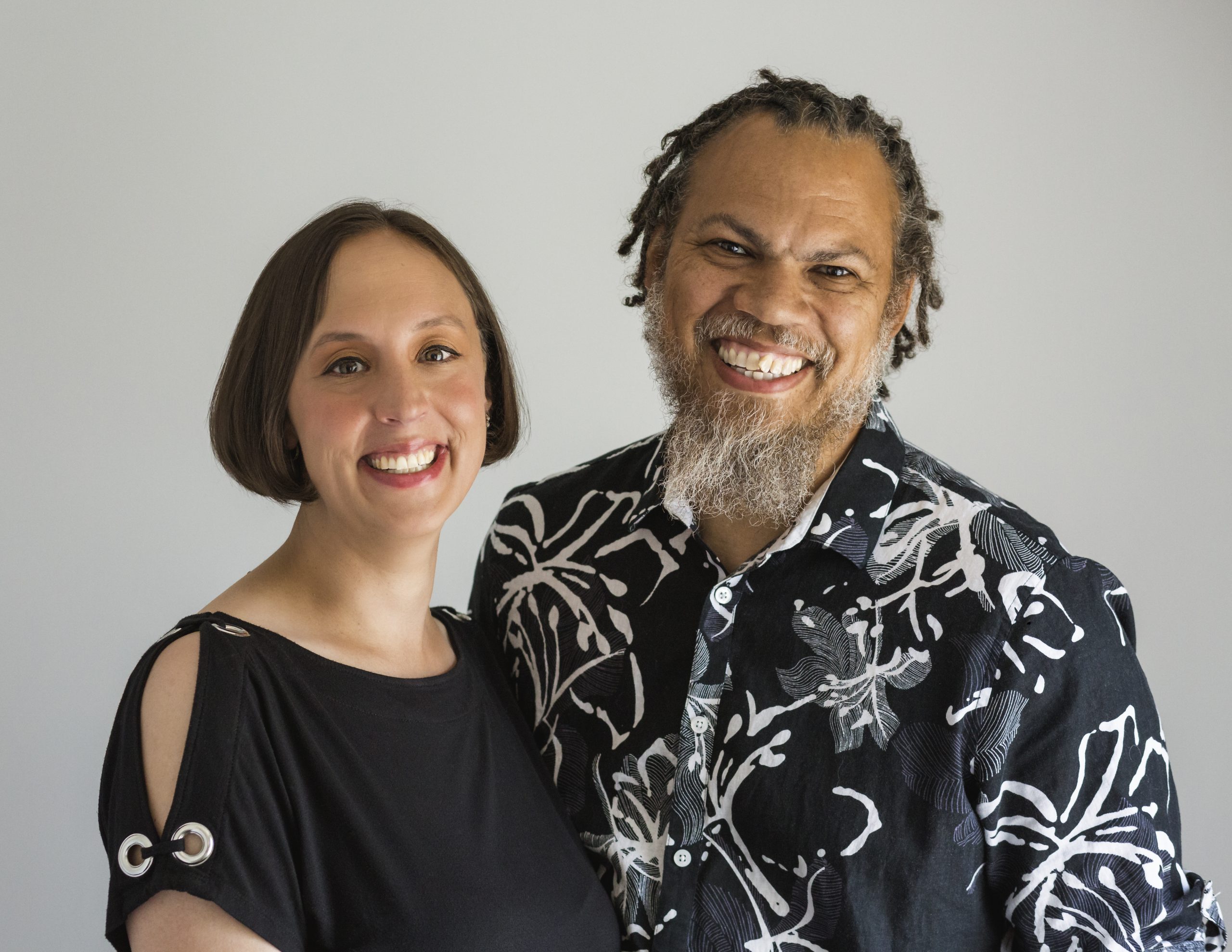
MaryAnn Kohl inspires artful adventures for kids

“Kids need space to create,” is the simple guidance that award-winning
author of art activity books MaryAnn Kohl offers to parents who are getting
involved in their children’s arty play. Given freedom to explore and make
choices, children are more likely to use their own ideas in creating art. You
see, too often times, adults (parents and some teachers) project a sense of
what a finished piece of art should look like, which denies children the
opportunity to explore and create from their own imaginations, and to learn
from that exploration and discovering.

Why is process art so important? Kids learn as they explore art materials and the creative process of taking ideas from within and bringing them into existence. Art allows for trial and error from which authentic learning can take place. Art is open-ended and fosters individual expression and originality. When kids have the freedom to go through the process of creating art, they are happy and they are learning.

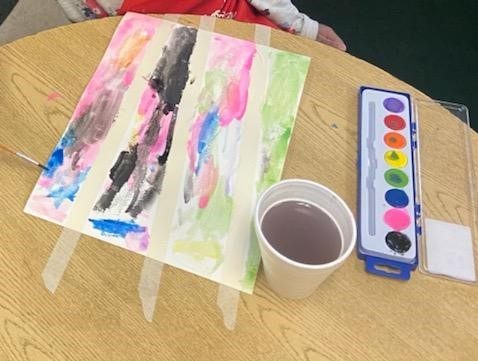
Process art is natural. You need only provide children with age-appropriate art supplies and blank paper, and the stage is set for arty adventuring. You may want to store art materials in shoe boxes or on conveniently situated shelving. “If you’re doing that,” Kohl says, “you’re way ahead in the goal of inspiring learning through play.”

MaryAnn Kohl of Washington State grew up in an artsy family. Her mom was a painter. Her dad was a book printer and was lead singer in a band. Her grandmother was published and her grandfather had a chain of bookstores. Kohl became an elementary teacher and incorporated her love of art into such subjects as math and science. After her first child was born, MaryAnn quit teaching and took up writing, which was always a lifelong passion. By 1985, MaryAnn started Bright Ring Publishing, which is still going strong today. She has written such best-selling favorites as Great American Artists for Kids, Mudworks, Preschool Art, the Big Messy Art Book, MathArts, and the Preschool Art series. She has downloadable e-books and free activities on her website. MaryAnn also writes for Gryphon House, Inc., and she is currently working on a new historical fiction novel.

Respected as an art educator of international repute, MaryAnn Kohl has consulted with such companies as Jim Henson, Blues Clues, as well as major magazines.

Years ago, MaryAnn connected with Abrakadoodle at a NAEYC (National Association for the Education of Young Children) convention. She has presented at Abrakadoodle’s annual national conference at the Crayola Factory. This year, she is presenting a process art workshop at Abrakadoodle’s first-ever global virtual conference this May. “We share a common belief in the importance of active discovery learning through art,” MaryAnn remarked. “I am delighted to reach out to Abrakadoodle’s directors and teachers with an affirming professional development experience.”“Art values and respects the individual uniqueness of a child,” MaryAnn said. “If you help kids manage materials and promote exploration,” MaryAnn commented, “you are creating a roadmap of your child’s experiences.” When smushing red into blue, your child discovers he produced purple. Kids love to see what will happen during the creative process. Mary Ann says that kids often ask her, “But what are we supposed to make?” She responds, “There is no right way; no wrong way; just your way.” She says their eyes sparkle when they hear these words.MaryAnn explains that the first time a young child experiments with a new art material, don’t expect a product. By the third experience with that art material, children refine their process and may strive to create a finished piece of art.

Try it! Below are a couple of outdoors activities MaryAnn suggests for your kids to get into the natural “process” of art:

Arty plastic pool play

If you have a small plastic pool, line the bottom with blank white paper. Squeeze blobs of paint on the paper. Select round objects (fruit works great), and gently tip the pool so that the objects roll through the paint leaving prints
on the paper. Perhaps your child might like to add a hand or footprint. At the end, wash the fruit well, and enjoy a healthy snack!

Cloudy day impressions

Find a comfortable place for your child to lay down with a view of the cloudy sky. What shapes does your child see? Encourage free thinking. Next, set out some blue construction paper, and a pot of white paint with a paint brush. Invite your child to paint. It might be a very literal impression of what he/she viewed, but it might also be a whimsical interpretation. Remember to keep the experience open-ended. You child is in control of his/her art and will delight in the natural creative process!

Want to learn more about MaryAnn Kohl? Visit www.brightring.com.


Charter School Creates Art Studio to House Abrakadoodle Art Program

Abrakadoodle artists featured at the new art studio opening

Art is impactful and worthy of investment. This was a message that resonated during a ribbon-cutting ceremony at the Allen Academy in Detroit, which on Monday, January 14th formally opened a spacious, newly renovated space that will be devoted to Abrakadoodle’s art program. According to Dawna Kelly, Director of Abrakadoodle-Wayne County, “We are honored by the Allen Academy’s commitment to the visual arts. They have been one of our customers (more like family members) for the past five years, and we have been providing our art program for students through grade six in a very small space with no water supply.” The new art studio features 24 workstations, two sinks and a space for a kiln to be purchased later this year.

During the formal dedication ceremony, Allen Academy school leader Monique Woodland Phillips was joined by several board members to include Barbara Barrett, Regional Vice President of the charter management group. Isaiah Pettway provided remarks regarding the importance of the fine arts, and Trena Braswell offered comments recognizing the student artwork on display at the event.

The Allen Academy is situated in a former Catholic school, and the art studio space was the former rectory. A priest who lived and worked at the rectory returned to share a heartfelt message about the importance of art education for our society. He talked about a recent visit to a nursing home in which seniors with various levels of impairment would still tap their feet when they heard music or smile at the sight of children’s artwork.

Three Creative, Hands-On, Low Tech Activities for Kids

As a parent, I’ve observed the powerful hold that tech toys, video games and cell phones have on children. I’m a big believer in balance, and so I have developed a list of low tech ideas that will engage your child in fun, inspired play. These types of activities give your children the power of imagination, which is wonderfully rewarding!

1. Create arty fruits and veggies~ who says eating healthy has to be boring? Your child can make edible art, offering creative fun that is also tasty! Consider making a butterfly.

Edible art is creative, fun and a healthy treat!

Provide slices of apple in a bowl; gather some baby carrots (look for long and thin pieces) provide some blackberries or another favorite berry, and finally, cut up a bowl of thinly sliced, short celery sticks. You might wish to offer some embellishments, such as dried cherries (shown) that can decorate the apple wings. Arrange the edible insect using the photo as a guide.


2. Sculpt a pinch pot~ this is an activity for all ages, and it’s easy to make! In fact, this is a great activity for your children because it helps to develop fine motor skills and muscles in the hand. All you need is some air-drying clay, such as Model Magic. A pinch pot is

Colorful pinch pots are easy to make and offer lots of clever uses!

small, and so you do not need a large amount of clay. Your child can choose to make a little pot in any color, and when it’s done, your child will enjoy adding artful design to his/her creation. Get started by rolling a palm-full of clay into a ball. Once the ball is nicely shaped, cradle the clay ball into your palm and press your thumb into the center. Note that some modeling clay will require more effort to shape. Once the initial dent in the center is made, then you gently squeeze thumb along with index and middle fingers, working the inside and outside as you expand the center. As you press and smooth in a circle, you will soon see the small pot as it takes shape. Make sure the wall of the pot is not too thin. Finally, you can simply draw a pencil design on the interior and/or exterior, or you can paint it in any color you like!


Creative storyboard by Nicole, age 12

3. Sketch a storyboard ~ Kids love to use their imaginations, and they all have stories to tell. A storyboard is a way to outline ideas using mostly images. Whether your child imagines a new video game concept, a children’s picture book with favorite items or simply wants to tell a story using mostly images, this is an activity that promotes visual literacy, creativity and self-expression. Your child can use a large art pad and experiment with image-mapping. Alternately, your child may enjoy using plain note cards to shape pictures into an expressive piece. Provide your child with pencils, colored pencils, crayons and/or thin markers. Give your child lots of space to spread out and work. Start with conversation. “Tell me about your idea. How do you think you want to create your main image?” For a younger child, you may wish to suggest shapes that will help him/her get underway.

Celebrating Creativity in Afterschool Programs

Today Abrakadoodle joins millions in celebrating Lights On Afterschool, a campaign of the Afterschool Alliance, which recognizes the importance of providing safe, strong afterschool options for children nationwide. In a recent interview on Education Nation, former Secretary of State Condoleeza Rice said “Not just safe but learning” when speaking about children’s experiences in afterschool programs. We applaud this thinking and the notion of providing children with brain-boosting opportunities that extend classroom learning. Abrakadoodle’s after school programs combine strong arts education with increasingly valuable creativity development, which engages children in hands on learning that emphasizes problem solving, originality and imaginative
expression.

Gains are beyond measure when children develop a sense of confidence and craftsmanship in the process of creating art. Art is such a powerful communication tool, and children in our program learn to appreciate the unique voice that each of them brings to his or her own creative endeavor. Consider enrolling your child in art afterschool to inspire your child’s imaginative skill building!


Art Helps Kids Access the Sun, Moon, Stars

Original art by Nia, age 9 of Michigan

We all want to help our children reach for the stars and shoot for the moon! Art is such a wonderful way for kids to express themselves, while developing such important skills as creativity and problem-solving. Art – whether in creation or appreciation – entails learning to see, interpret and understand. Children can translate their internal vision or depict images based upon external sources of inspiration, both of which provide young artists with material to draw upon and feed into their art practice.

Original art by Shantrice, age 13 of Michigan who write of her art, “Darkness falls; light revolves”

Explore your child’s unique view! Provide your child with some basic supplies, such as blank paper, pencils, markers and crayons. Strike up a conversation about the stars, moon, planets, as well as our sun and sky. Connect with your child’s natural enthusiasm and clever ideas by encouraging him/her to create art that captures these unique imaginings.

Art for Kids

Stress-Busting Gets Creative

Art education can help children cope with worries. Children under stress tend to bottle up their feelings, creating emotional and physical effects. With negative news dominating our newspapers and airwaves – from a struggling economy and war to issues closer to home with worried parents, less disposable income and school stress — children need to find healthy ways to manage. Art is one of the best ways you can help your children develop skills to express themselves and liberate their feelings to help maintain healthy emotional well-being.

The key in reducing or eliminating unhealthful stress is to provide children with the tools and attention to deal with stress and by giving them a healthy outlet that sets them up with coping skills for life.

Artful calming

Art for kids should be all about originality and creativity. You can create a space at home that promotes imaginative play:

* Set up a creativity center that your children can access, which contains lots of paper, crayons, markers, nontoxic paints and brushes, modeling compounds (like Crayola Model Magic®) and more;
* You can spiff up your creativity center by encouraging your children to add recycled materials from around the house (paper towel and toilet paper tubes; bows, ribbon, bottle caps, postcards, printer paper and more;
* Identify a place where your children can create art, such as your kitchen or a coffee table. Set up the rules, such as working on plastic or newspaper;
Instead of plopping down in front of the TV or a video game, encourage your children to grab their creativity tools and make something new;
* Create meaningful patterns, such as sitting with your children before they start their art, and teach them a relaxation technique. Tell them to shut their eyes, take a deep breath while they count to five and then slowly exhale while counting to five. Play with the idea, such as “in through the nose and out through the mouth” and “in through the mouth and out through the nose;”
* Never ever judge your children’s artwork. You want to empower them to use art to express their ideas, thoughts and feelings.

Above all, children need to know that they are loved and supported. Give hugs and model grace, calm and problem-solving. Sometimes children need just 15 minutes of your undivided attention. They need to turn off the TV and sources of distraction and learn to turn within to tap their own imaginations where a world of creative adventure awaits.

Art classes are another wonderful way to promote stress-busting, while fostering imaginative learning and developing new visual arts skills, technique and vocabulary. Learn more about Abrakadoodle remarkable art classes, in-school field trips, workshops, camps and parties: http://www.abrakadoodle.com/programs.htm.